After the Final Bow: The Invisible Recovery Work That Every Performer Must Learn to Honor
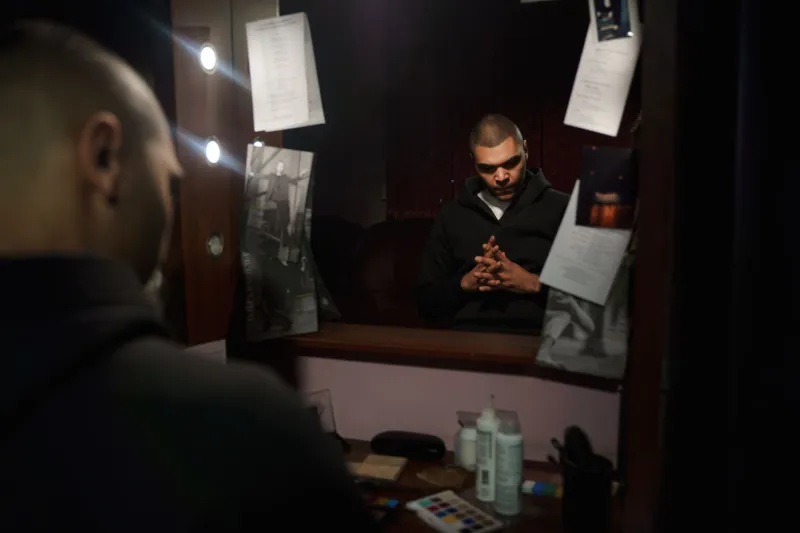
The audience sees the bow. They see the flush of exertion, the brightness in the eyes, the visible evidence of something extraordinary having just occurred. What they do not see — what the performing world rarely discusses with any candor — is what happens in the hours and days that follow.
They do not see the voice that will not fully respond the next morning. They do not see the body that has been pushed through a level of physical and neurological demand that most people never approach in their daily lives. They do not see the emotional hangover that follows a performance in which something genuine and irreplaceable was given to an audience of strangers.
I believe the performing world's silence on this subject is not accidental. It is a cultural inheritance — a set of professional norms that valorize endurance and pathologize vulnerability, that celebrate the performer who is always available and always at full capacity, and that treat recovery as an indulgence rather than a professional necessity.
That silence is costing performers their careers. And it needs to end.
What a Performance Actually Costs the Body
To perform at a high level is to ask the body to do something genuinely extraordinary. For singers, the vocal instrument — a collection of muscles, membranes, and cartilage of extraordinary delicacy — is driven through extended periods of intense use that create micro-trauma at the cellular level. This is not a metaphor. It is physiology. The vocal folds swell. Circulation to the laryngeal tissues increases. The mucous membrane that protects the vocal mechanism is depleted by the combination of exertion, stage lighting, climate-controlled air, and the simple biological demands of sustained phonation.
For performers whose work is primarily physical — dancers, actors, movement-based artists — the post-performance body carries a different but equally significant burden. Joints that have been asked to perform beyond their comfortable range of motion. Muscles that have been recruited at maximum intensity for extended periods. A central nervous system that has been operating at a level of arousal that, in any other context, would be recognized as physiological stress.
The performing arts training tradition tends to treat this reality with a combination of silence and bravado. The culture of the profession rewards the performer who shows up regardless, who pushes through, who does not allow the body's legitimate signals of distress to interfere with professional obligation. This culture is understandable in its origins — productions depend on performer reliability, and the financial and logistical consequences of a last-minute cancellation are real and significant.
But a culture that systematically punishes performers for attending to their bodies' recovery needs is a culture that accelerates the degradation of the very instruments it depends upon.
The Emotional Debt of Genuine Performance
The physical recovery demands are significant. The psychological ones are less visible and, in many ways, more complex.
A performance in which something genuinely true has been communicated — in which the performer has accessed and shared an authentic emotional reality with an audience — is not a neutral event for the person who created it. It is a form of exposure, of vulnerability, of giving away something that cannot be immediately replenished.
The psychological state that follows this kind of performance is often described by performers in contradictory terms: simultaneously elated and depleted, energized and hollowed out, present and strangely absent. This is not an artistic affectation. It is the predictable consequence of having operated at an extreme of emotional availability for an extended period.
The performing arts tradition offers almost no framework for understanding or managing this state. Post-performance rituals, where they exist, tend to be social — the cast gathering, the celebratory meal, the professional debrief. These rituals serve real functions. But they do not address the underlying psychological work that genuine recovery requires.
That work is individual, and it is real. It may involve time in deliberate solitude. It may involve physical practices — movement, rest, time outdoors — that allow the nervous system to regulate after extended activation. It may involve relationships with people who understand the particular demands of a performing life and can hold space for the complexity of what follows a performance without requiring the performer to be immediately coherent or celebratory about it.
The Professional Norm That Needs to Change
The American performing arts world has made meaningful progress in recent years on conversations about mental health, physical wellness, and the sustainability of performing careers. Unions have expanded provisions for performer health and safety. Training institutions are, in some cases, beginning to incorporate wellness education into curricula that once focused exclusively on technical development.
But the cultural norm — the unspoken expectation that a performer should be immediately available, immediately articulate, and immediately prepared to discuss the next engagement the moment a performance concludes — has proven more durable than formal policy changes.
This norm needs to be challenged, and the most effective challenge comes from performers themselves. It comes from the senior artist who, when asked about availability for an interview immediately after a performance, says simply: not tonight. It comes from the young performer who, rather than pushing through the warning signals of vocal fatigue, contacts their management and requests a professional conversation about pacing. It comes from the performing community's willingness to treat recovery not as weakness but as professional discipline.
What Sustainable Practice Actually Looks Like
The performers who maintain the longest, most vital careers are, almost without exception, those who have developed rigorous personal recovery practices. These practices vary by individual and by the specific demands of a given performance type, but they share certain common elements: intentional physical rest, vocal hygiene that extends well beyond the performance day, psychological practices that support emotional regulation, and a professional environment — whether through management, colleagues, or personal boundaries — that protects the recovery period.
This is not glamorous work. It does not photograph well. It does not make for compelling social media content. It is, in the most honest sense, maintenance — the unglamorous, essential, invisible labor that keeps a performing instrument functioning at the level that audiences and presenters depend upon.
But I have come to believe that this maintenance work is, in its own way, as artistically significant as anything that happens on stage. It is the commitment to longevity over spectacle. It is the understanding that a career is not a single performance but a sustained conversation between an artist and an audience that may span decades — and that sustaining it requires honoring the instrument as carefully after the bow as before the first note.
The performance ends when the curtain falls. The performer's work, the real and unglamorous work of being an artist for the long term, continues in the silence that follows.